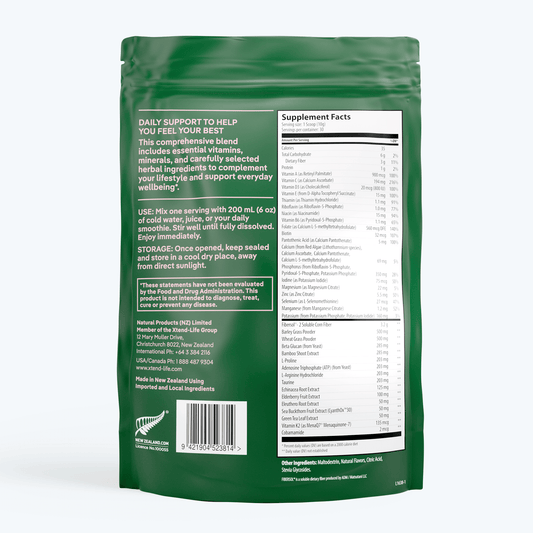
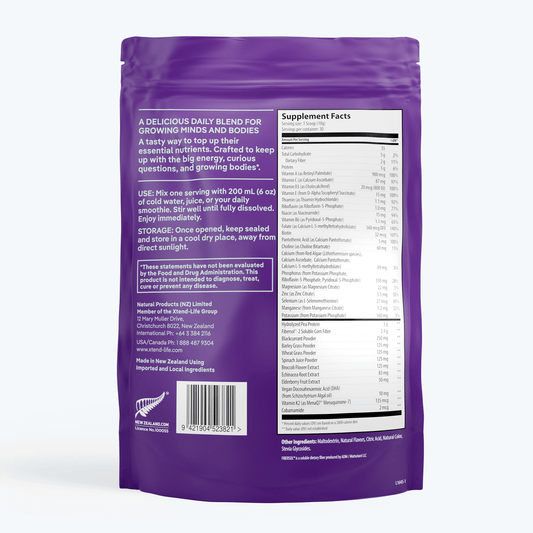
Echinacea

Echinacea Root Extract Background and Benefits
Echinacea Root Extract is derived primarily from the roots of Echinacea purpurea, Echinacea angustifolia, and Echinacea pallida, flowering plants native to North America and belonging to the Asteraceae family. The root contains a concentrated profile of bioactive compounds, including alkylamides, caffeic acid derivatives such as echinacoside and cichoric acid, polysaccharides, and glycoproteins.
These constituents are believed to interact with several aspects of immune function. Alkylamides may influence cannabinoid receptor activity, particularly CB2 receptors expressed on immune cells, which can modulate inflammatory signaling. Polysaccharides and glycoproteins have been studied for their ability to support macrophage activation and cytokine production, processes involved in the body’s innate immune response. Caffeic acid derivatives also exhibit antioxidant activity, which may help protect cells from oxidative stress during periods of immune challenge.
Traditionally, echinacea root was used by Native American communities for a variety of purposes, particularly in supporting general resilience during seasonal stress. It was introduced into Western herbal practice in the late 19th and early 20th centuries and has since become one of the most widely used botanical ingredients for immune support.
Commercial extracts are typically produced through hydroalcoholic extraction of dried roots to concentrate alkylamides and phenolic compounds. Standardization may focus on total phenolics or specific marker compounds to ensure batch consistency.
Uses of Echinacea Root Extract
Echinacea Root Extract is most commonly used in dietary supplements designed to support immune health. It is often included in seasonal wellness formulas and products intended for short-term use during times of increased environmental or physiological stress.
Research suggests echinacea may help support normal immune cell activity, including macrophages and natural killer cells. Some studies indicate it may assist in maintaining healthy inflammatory signaling pathways, which are part of the body’s coordinated immune response. Its antioxidant constituents may also contribute to cellular protection.
In addition to immune-focused applications, echinacea root has been used traditionally to support upper respiratory tract comfort and general wellbeing during seasonal changes. It may also be combined with nutrients such as vitamin C, zinc, or other botanical extracts to provide broader immune system support.
Signs You May Need Echinacea Root Extract
Individuals may consider echinacea during periods of increased seasonal challenge, frequent travel, or lifestyle stress that can place additional demands on the immune system.
Experiencing recurrent seasonal discomfort, feeling run down, or seeking short-term immune support during colder months may also indicate a potential need. As with any supplement, individual requirements vary, and echinacea is generally used as part of a broader nutritional and lifestyle approach to immune health.
Synonyms and Similar Forms of Echinacea Root Extract
Purple coneflower root, Echinacea purpurea root, Echinacea angustifolia root, Echinacea pallida root extract.