Elderberry

Elderberry Fruit Extract Background and Benefits
Elderberry fruit extract is derived from the dark purple berries of Sambucus nigra, commonly known as European elder. The berries contain a rich profile of bioactive compounds, particularly anthocyanins, flavonols such as quercetin, phenolic acids, and small amounts of vitamin C. These compounds contribute to the fruit’s antioxidant capacity and are responsible for its deep color.
Historically, elderberry has been used in traditional European herbal practices for seasonal wellness and general immune support. Records of its use date back centuries in various parts of Europe, where syrups, decoctions, and tonics were prepared from the ripe berries. Raw elderberries contain naturally occurring cyanogenic glycosides, so proper cooking or extraction is required to ensure safety and suitability for consumption.
From a biochemical perspective, anthocyanins in elderberry may help support immune function by influencing cytokine signaling and modulating oxidative stress. In vitro and small human studies suggest elderberry extracts may support the body’s normal inflammatory response and help maintain upper respiratory health during seasonal challenges. Antioxidant compounds in elderberry can also help neutralize free radicals, supporting cellular resilience.
Commercial extracts are typically standardized to anthocyanin content to ensure consistency and potency. Water or hydroalcoholic extraction methods are commonly used, followed by concentration and drying to produce powders or liquid extracts suitable for encapsulation or inclusion in functional foods.
Uses of Elderberry Fruit Extract
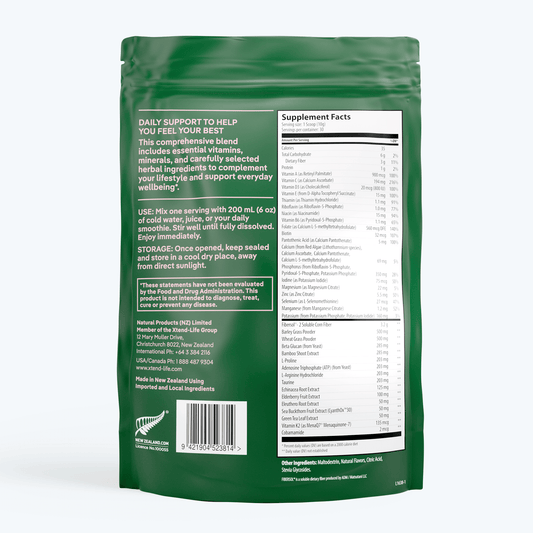
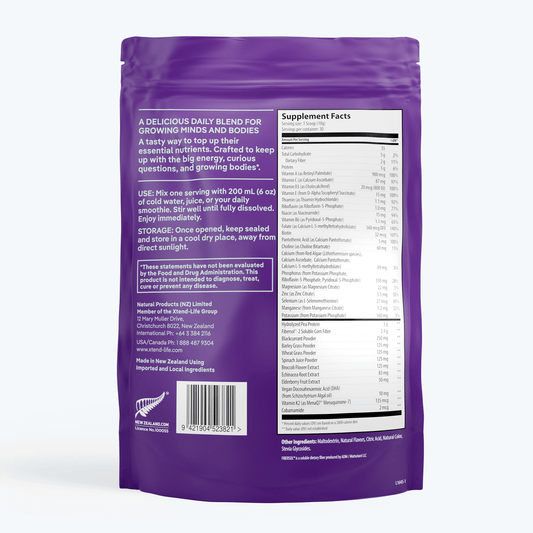
Elderberry fruit extract is commonly used in supplements designed to support immune health, particularly during periods of increased seasonal stress. It is frequently found in capsules, syrups, lozenges, and powdered drink blends.
Its antioxidant properties may help support the body’s defense against oxidative stress, which can affect immune cells and overall vitality. Elderberry is often combined with nutrients such as vitamin C, zinc, and other plant extracts to provide broader immune system support.
In addition to immune-focused formulas, elderberry may be included in products aimed at supporting upper respiratory comfort. Some preliminary clinical research suggests it may help support the body’s normal response to common seasonal challenges when taken at the onset of symptoms, although results vary and further study is ongoing.
Elderberry extract is also used in certain functional beverages and fortified foods due to its natural color, flavor profile, and phytonutrient content.
Signs You May Need Elderberry Fruit Extract
You may consider elderberry fruit extract if you experience frequent seasonal immune challenges or are exposed to increased environmental stressors.
Periods of travel, seasonal change, or close contact environments can place additional demands on the immune system. Individuals seeking additional antioxidant support as part of a balanced wellness routine may also consider elderberry as one component of a broader nutritional strategy.
Synonyms and Similar Forms of Elderberry Fruit Extract
Sambucus nigra, European elder, black elderberry extract, elderberry concentrate, elderberry anthocyanins.