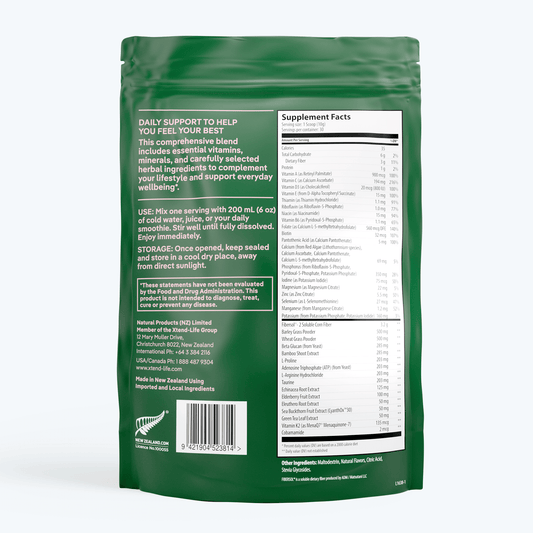
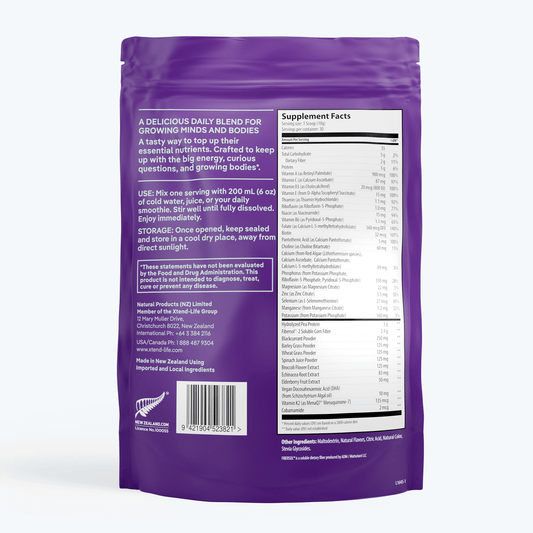
Vitamin A (Retinyl Palmitate)

Vitamin A (as Retinyl Palmitate) Background and Benefits
Vitamin A is a fat-soluble vitamin essential for vision, immune regulation, cellular differentiation, and epithelial integrity. Retinyl palmitate is a preformed form of vitamin A, created by esterifying retinol with palmitic acid. It is one of the most stable and commonly used supplemental forms of vitamin A and is efficiently absorbed in the small intestine when consumed with dietary fat.
Once absorbed, retinyl palmitate is hydrolyzed to retinol and transported to the liver for storage. From there, it is released into circulation bound to retinol-binding protein and delivered to tissues as needed. Within cells, retinol can be converted to retinal, which plays a direct role in vision through its involvement in rhodopsin formation in the retina, or to retinoic acid, which regulates gene expression. Retinoic acid interacts with nuclear receptors that influence cell growth, differentiation, and immune function.
Preformed vitamin A has been recognized as an essential nutrient since the early 20th century, when deficiency was linked to impaired growth and night blindness. It occurs naturally in animal-derived foods such as liver, dairy products, egg yolks, and oily fish. Commercial retinyl palmitate used in supplements is typically synthesized to ensure purity, stability, and consistent dosing.
Vitamin A as retinyl palmitate is often included in multinutrient formulas to support normal vision, immune defense, skin integrity, and mucosal barrier function. Because it is a preformed and bioactive source, it does not require conversion from carotenoids and may be particularly relevant for individuals with limited conversion efficiency.
Uses of Vitamin A (as Retinyl Palmitate)
Vitamin A as retinyl palmitate is commonly used in dietary supplements to support visual function, particularly in low-light conditions, due to its role in the formation of retinal pigments. Adequate vitamin A status can support normal adaptation to darkness and overall retinal health.
It is also widely used to help maintain healthy immune responses. Vitamin A contributes to the integrity of epithelial tissues lining the respiratory, gastrointestinal, and genitourinary tracts, which act as physical barriers to external stressors. Retinoic acid derived from vitamin A plays a role in regulating immune cell differentiation and signalling.
In addition, vitamin A supports normal skin structure and cellular turnover. It is involved in the regulation of keratinocyte growth and may help maintain healthy skin and mucous membranes. For this reason, it is often included in multivitamins, immune support blends, and comprehensive nutrient systems designed to support overall wellbeing.
Signs You May Need Vitamin A (as Retinyl Palmitate)
Inadequate vitamin A intake may be associated with difficulty seeing in dim light, dry or rough skin, or increased susceptibility to common infections. Poor dietary intake of animal-derived foods or fat malabsorption conditions may also increase the risk of low vitamin A status. Individuals with restricted diets may benefit from ensuring adequate intake of preformed vitamin A under appropriate guidance.
Synonyms and Similar Forms of Vitamin A (as Retinyl Palmitate)
Retinol, retinyl acetate, preformed vitamin A, vitamin A palmitate.